Where Can You Legally Live in a Tiny Home in Texas? (2026 Guide)
Texas tiny living is legal on three main paths: long-term lease in a vetted village, compliant placement on owned land under local zoning, or ADU/park-model alternatives—not an unpermitted THOW on any rural acreage.
Texas roundup
Top 20 Texas communities
Our complete curated list with regional groupings and links to every directory profile.
Read the roundupOpen state map →In Texas

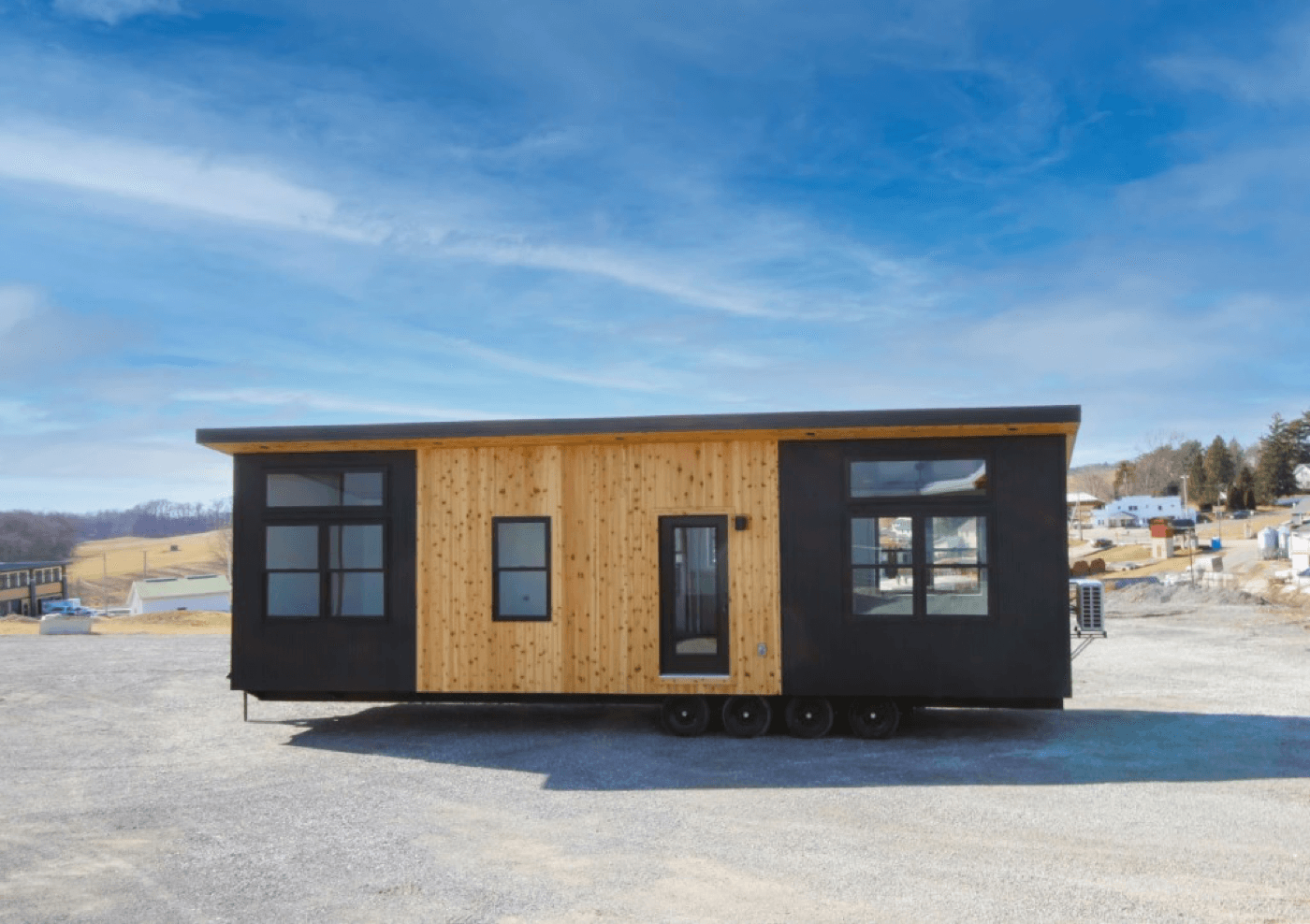
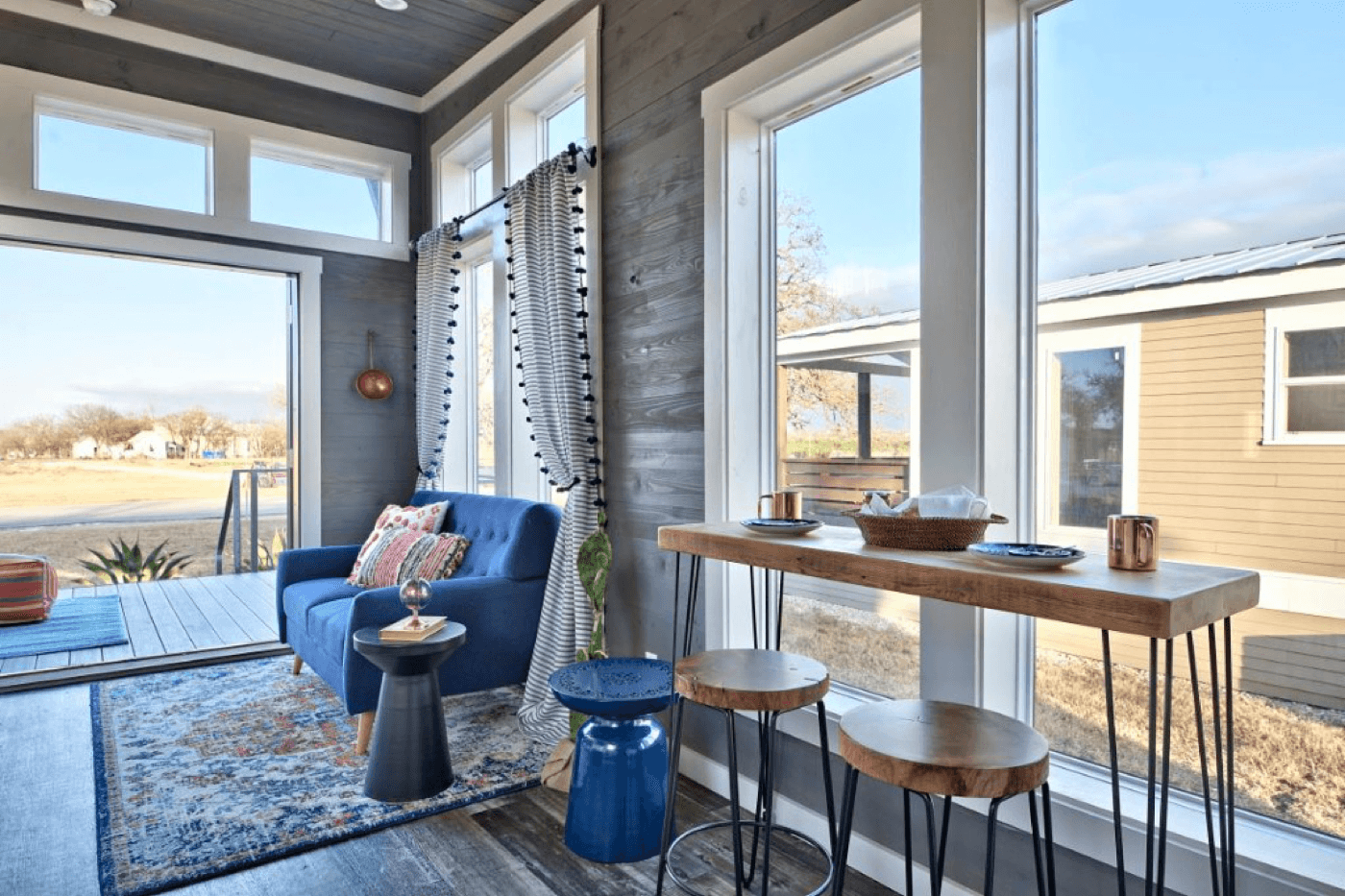
Related reads
- → Best Counties for Tiny Homes in Texas (2026 Guide)
Communities · Texas land
- → Inside Village Farm Austin: Agrihood Living in East Travis County
Communities · Austin Metro
- → Inside Lake Dallas Tiny Home Village: Pioneering THOW Living in Denton County
Communities · North Texas / DFW
Texas community map
Visualize clusters and compare regions before you shortlist profiles.
Open map →Short answer: Yes, you can legally live in a tiny home in Texas—but there is no single statewide law. Options depend on location, home type (on wheels vs foundation), and local rules. The three main paths are: (1) long-term lease in a licensed tiny home / RV village, (2) owned land in permissive rural counties or cities with explicit tiny-friendly zoning, and (3) ADU, park-model, or modular setups where local code treats them as dwelling units—not driveway THOW parking. Always verify with local authorities and operators; rules vary widely by city and county.
Texas is one of the more discussed states for tiny living thanks to widespread reference to IRC Appendix Q for homes 400 sq ft or less, plus high-profile pilots like Lake Dallas Tiny Home Village. But local zoning and building departments have the final say. This guide breaks down the legal lanes, best regions, and practical next steps. For visual options, start with our Texas tiny home communities map and Texas directory.
Lane 1: Licensed tiny home / RV villages (often the smoothest path)
The most straightforward way for many buyers is a land-lease community designed for tiny homes. These handle much of the land use, utilities, and compliance upfront—and give you a operator to call before you tow or order a unit.
Examples from our directory:
- Village Farm Austin — Travis County agrihood · turnkey park models · farm access · spotlight guide.
- Lake Dallas Tiny Home Village — Denton County BYO THOW pocket neighborhood · IRC Appendix Q PUD · spotlight guide.
- Roam Texas — Hill Country / Spicewood · scenic long-term pads.
- Lake Conroe RV & Tiny Home Park · Woodland Lakes — Greater Houston / lake-country options.
Key considerations:
- Lot rents often land in the ~$450–$900/mo band depending on region and amenity tier (verify on each listing).
- THOW communities may require Appendix Q, NOAH, or RVIA with secondary verification—not all villages accept the same certification.
- Short-term rentals are restricted in many owner-occupancy villages (Lake Dallas prohibits STR; some agrihood phases allow STR—investor buyers must read leases carefully).
- Park-model villages (Village Farm, many Houston-area resorts) are not the same as BYO THOW districts—match your build to the community before you buy.
Browse all current listings in the Texas tiny home communities directory or the Top Texas roundup.
Lane 2: Owned land + local zoning
This path offers more independence but requires due diligence before you wire earnest money.
Unincorporated county land
Most Texas unincorporated areas sit under county authority—not a city zoning department. Many rural counties are more permissive than urban cores, but “no zoning” is not “no rules.” You still face:
- Septic, water well, and electric permits and inspections
- Deed restrictions, HOA covenants, and subdivision plat notes
- Flood zones (FEMA), setbacks, and access easements
- THOW treated as RV in some jurisdictions—occupancy duration and titling matter
Run GIS layers on your target parcel with our free site preview before you buy land marketed as “unrestricted.”
Cities and tiny-friendly pilots
Texas has a handful of named experiments worth studying—not copying blindly:
| Place | Why searchers mention it |
|---|---|
| Lake Dallas | Custom PUD for urban THOW pads—rules apply only to Gotcher Avenue, not your lot elsewhere |
| Spur | Dickens County · marketed as America's first tiny-house-friendly town · different model than urban PUDs |
| Austin / Travis County | Appendix Q references, HOME Initiative ADU reforms, and agrihood leases like Village Farm—city vs county still differ |
| DFW, Houston, San Antonio, Fort Worth | Mixed—some ADU pilots and resort pads; no blanket THOW permission |
Always check: Contact the planning/zoning and building inspections office for the exact parcel jurisdiction before you buy. Compare Texas to our North Carolina land guide and Florida legal lanes if you are shopping multiple states.
Lane 3: ADUs, park models, and modular alternatives
- Backyard ADUs: Allowed in select Texas cities under local ordinances (Austin's HOME Initiative is the most cited example). A foundation-built ADU is real property—different insurance and financing than a THOW on wheels.
- Park models / RVIA-certified units: Common in resort and agrihood communities; may face size and full-time occupancy limits outside approved parks.
- Modular / factory-built on foundation: Treated closer to conventional housing—often higher upfront cost but clearer permanence and lending paths.
Recent state-level conversation around tiny-home definitions and lot sizes continues, but enforcement stays local. Do not assume a bill you read about online applies to your county today.
Regional shortlist
| Region | Best for | Example communities | Start here |
|---|---|---|---|
| Austin / Central TX | Agrihoods, metro access | Village Farm Austin, Constellation ATX | Central TX listings |
| DFW / North TX | Urban THOW district, small-town pads | Lake Dallas THV, The Pines | State map |
| Hill Country / West TX | Scenic land-lease, Spur narrative | Roam Texas, Spur | Roundup — Hill Country |
| Houston / Gulf Coast | Lake-country pads | Lake Conroe, Woodland Lakes | Houston macro region |
| Rural / statewide | Owned land (with homework) | Unincorporated counties—verify septic, flood, covenants | Feasibility review |
What to avoid (myths vs. reality)
| Myth | Reality |
|---|---|
| "Texas has no rules—anything goes" | Cities have strict zoning; counties vary. Skipping permits can trigger fines or removal orders. |
| All THOWs are legal everywhere | Many places treat them as RVs with parking limits; full-time living often requires approved communities or custom PUDs. |
| Unrestricted land means zero oversight | Health codes, septic, deed restrictions, and neighbor complaints still apply. |
| Lake Dallas rules apply statewide | Gotcher Avenue is a one-acre PUD—your Denton County acreage is a different legal question. |
How to shortlist faster
- Browse the Texas tiny home communities map and directory.
- Read spotlight guides — Village Farm Austin (park-model agrihood) and Lake Dallas (BYO THOW PUD).
- Contact 2–3 operators for current rules, waitlists, and certification requirements.
- For owned land: Pull county GIS, call planning, then use our feasibility tool or chat preview.
- Compare multi-state strategies via Florida legal lanes and NC land + law overview.
For climate-adapted living in hot summers and storm seasons, pair village research with self-sufficiency pathways and solar basics—Texas-specific regenerative guides are expanding in our blog.
FAQ
Are tiny homes legal in all of Texas? No. Legality is location-specific—community lease, rural placement with permits, or city ADU/park-model paths.
Do I need RVIA or NOAH certification? Most THOW villages require documented compliance (Appendix Q, NOAH, or third-party inspection). Treat certification as a gate, not an upgrade.
Can I live full-time in any RV park? Many parks cap stays or target tourism—use our long-term village directory profiles instead of generic nightly RV resorts.
Village lease vs. owned land—which builds equity? Owned land + permitted structure can build real property value. Pad leases optimize lifestyle and monthly cost, not land equity.
Is Texas easier than Florida or North Carolina? Texas has famous pilots (Lake Dallas, Spur) but no statewide free pass. Compare paths in our Florida and North Carolina guides.
Research starting points—confirm zoning, flood, insurance, and operator rules before you buy land, order a unit, or sign a lease. This is guidance, not legal advice.
Next: Browse Texas communities · Texas state map · Free property evaluation
Check your Florida address for free
Run the buildability chat for flood, wetlands, soils, and local contacts—then request a full Land Feasibility Report if you want parcel-level zoning.
Free site snapshot